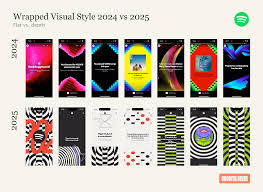
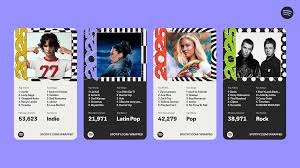
In December 2024, Spotify shipped Wrapped with an AI podcast narrator, AI-generated micro-genres, and a glitchy techy aesthetic. Users hated the rollout. Adweek reported that listeners called Wrapped “lazy” and complained on TikTok, X, and Reddit about hallucinated artists and missing top-genre stats. WHAT, trade marketing news. WHO, Adweek. WHEN, December 2024. One year later, Spotify shipped Wrapped 2025 with the AI dialed down, retro mixtape design, and restored stats. The relaunch hit 200 million users in 24 hours.
The Spotify arc is a clean test of how marketing scholars think about AI personalization.
The framework: Classification
Puntoni et al. (2021) published their consumer AI experiences framework in the peer-reviewed Journal of Marketing. WHAT, peer-reviewed academic article. WHO, four marketing professors. WHEN, 2021. They sort consumer AI into four experiences. Classification is the second. Consumers receive AI’s personalized predictions, and the AI predicts.
The framework names two tensions inside Classification. The bright side is Understood. Consumers feel recognized and accurately categorized. The dark side is Misunderstood. Consumers feel assigned to the wrong group.
Wrapped 2024 made users feel Misunderstood at scale. Wrapped 2025 corrected the problem.
Where the theory holds
Puntoni and colleagues warn businesses to root out algorithmic bias and inaccurate group assignment. Wrapped 2024 is a textbook example. Headphonesty documented in January 2026 that users reported AI-generated artists they had blocked appearing in their top results, songs played three times sitting on “On Repeat” for months, and AI podcast hosts narrating habits in irrelevant ways. WHAT, consumer audio publication. WHO, Headphonesty. WHEN, January 2026. The classification did not match the listener. The framework predicted exactly this.
Where the theory falls short
Two parts of Puntoni’s framework deserve pressure after Spotify.
First, the implementation tips assume better AI fixes Misunderstood. The slides suggest explaining recommendations in human terms and letting users correct inferred identities. Spotify did the opposite in 2025. The company used less AI, not better AI. Fast Company reported that Wrapped 2025 drew on physical media like mixtapes and CDs, retreating from algorithmic spectacle. WHAT, business design publication. WHO, Fast Company. WHEN, December 2025. The fix was a vibe shift, not a model upgrade.
Second, the framework treats Understood as a perception of accuracy. Spotify’s recovery suggests Understood is also a perception of effort. Users wanted to feel a human made choices about how the stats were shown. The original Wrapped was famously created by an intern. WHAT, business opinion piece. WHO, Raconteur. WHEN, January 2025. Replacing that with generative AI broke something the framework does not have a word for.
Reflection
Puntoni’s Classification framework still does useful work. The theory explains why Wrapped 2024 felt like a betrayal even when stats were technically right. But the Spotify arc suggests Understood is not just about accurate prediction. Understood is about visible human judgement.
For marketers running any Classification experience, the lesson is sharper than the slides let on. More AI is not always the fix for AI feeling wrong. Sometimes the fix is a person, not a model.


Leave a Reply